How to Use AI to Write Product Descriptions (Combining Precision and Appeal)
Comprehensive 2026 guide to writing professional product descriptions with AI - techniques, examples, tools, and ready-to-copy templates
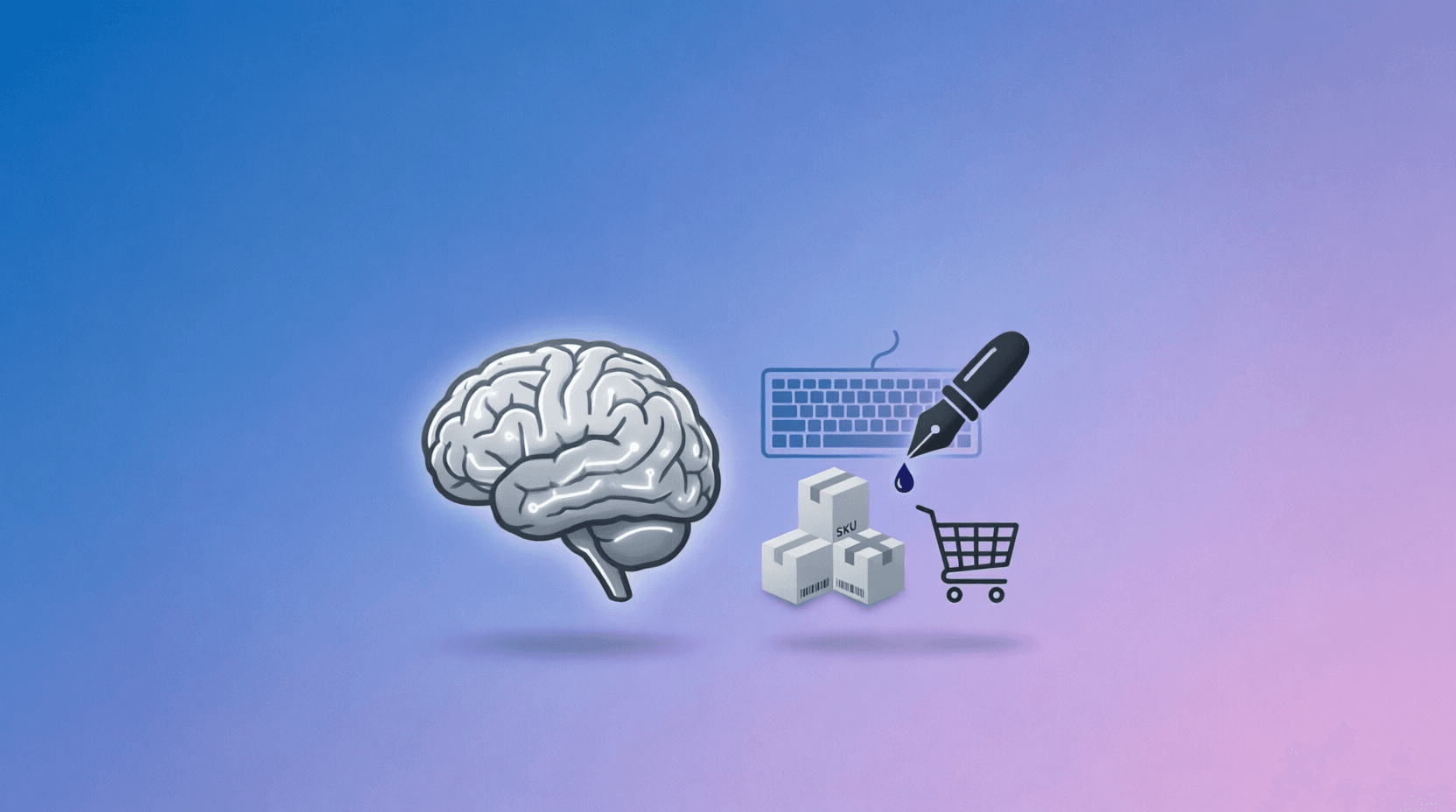
Why Product Descriptions Are the Backbone of Your E-commerce Success
Product descriptions using AI are crucial in the world of e-commerce. A product description is no longer just an explanatory text attached to an image. It has become the most powerful marketing tool in your digital arsenal. Recent studies show that 87% of consumers read product descriptions before making a purchase decision, and a well-written description can increase conversion rates by up to 30%.
However, the real problem lies in the fact that writing outstanding product descriptions requires enormous time and advanced writing skills. Today, my friend, if you have a store with hundreds or thousands of products, writing a unique description for each product manually could take weeks or even months. This is where the AI Product Description Generator comes in to revolutionize the way you work.
Today's AI doesn't write clunky texts stuffed with keywords. Instead, it produces descriptions that embody the art of digital persuasion: combining accurate information with emotional impact, technical features with lifestyle benefits, search language (SEO) with the language of the heart (persuasion).
In this comprehensive guide, we'll take you on a journey from zero to professional. You'll learn how to use Prompt Engineering to create product descriptions that rank at the top of search results and convert visitors into loyal customers. Whether you sell electronics on Amazon, fashion on Shopify, or food products on delivery platforms, this guide is your roadmap to an irresistible product description.
The quality of your product description depends directly on the quality of the prompt you input. Don't write "write a description for headphones," but instead write "write a persuasive description for luxury wireless headphones targeting music lovers who seek studio-quality sound with superior noise cancellation." The difference in results will be astonishing.
Before we dive into the details, here are some related resources that will complete your understanding of AI content writing:
📋 Ready-to-Use AI Prompts Guide — A collection of ready prompts for all your needs
🎨 AI Infographic Prompts Guide — Design professional graphics for your products
🔍 AI SEO Content Guide — Make your product descriptions rank at the top of search results
What Is AI-Powered Product Description Writing?
AI-powered product description writing is the process of using advanced language models like GPT-4o, Claude 3.5, and Gemini 2.0 to create professional descriptive texts for products. But it goes much deeper than just "getting a text." It's a process that involves deep analysis of the target audience, precise understanding of product features, and linguistic crafting that balances information with persuasion.
How Does AI Work in Writing Product Descriptions?
When you use the AI Product Description Generator, the system performs a series of complex operations in seconds:
- Input Analysis: The AI reads the product details you input (name, specifications, category, target audience) and extracts the main features and hidden benefits.
- Market Study: The model analyzes successful writing patterns in the same category, identifies converting keywords, and determines the tone that resonates with the audience.
- Persuasion Crafting: It produces text using proven copywriting techniques: powerful headlines, benefits before features, micro-stories, and motivating calls to action.
- SEO Optimization: It naturally integrates keywords into the text and ensures the description complies with search engine standards.
- Platform Customization: It modifies the description to suit each platform's requirements: description length on Amazon, HTML formatting on Shopify, or the preferred style on Noon.
This is completely different from traditional methods that relied on ready templates or repeated texts. Today's AI produces unique descriptions for each product, considering context, audience, and platform. The result? A description that looks like it was written by the best copywriter in a global agency, but in seconds instead of days.
AI is powerful but not magical. It cannot create a compelling description for a product you know nothing about. The more precise and detailed your inputs (prompt), the better the results. A good description starts with your deep understanding of your product and audience.
The Psychology Behind Product Descriptions That Convert Visitors into Buyers

Understanding buyer psychology is the key to writing descriptions that convert visitors into customers
Before you write a single line, you must understand how the buyer thinks. The purchasing process isn't purely logical—it's an emotional journey led by the subconscious mind. The best product descriptions don't just tell the customer what the product is, they tell them how the product will change their life.
The "Benefit Before Feature" Principle
This is the most important rule in writing product descriptions. A feature is what the product does. A benefit is what the customer gets. Look at the difference:
- Feature: "Headphones with 40-decibel noise cancellation"
- Benefit: "Enjoy pure sound as if you're in a private concert hall, even in the middle of crowds and noise"
Professional AI—like the Smart Prompt Optimizer—converts every technical feature into an emotional benefit that the customer can visualize. This difference is what separates a description that sells from one that's ignored.
Scarcity & Urgency
The human mind hates missing opportunities. When the customer realizes the product might run out or the offer will end soon, the reward system in their brain activates. But be careful: artificial scarcity destroys trust. Use it only when it's real.
Social Proof
We are social beings who trust others' decisions. Including statistics like "purchased by more than 10,000 customers" or "rated 4.9 out of 5 stars" reduces the decision barrier. The AI Ad Generator naturally integrates these elements into the texts.
Micro-Story
Instead of listing dry specifications, create a scene where the customer imagines themselves using the product:
"It's past midnight and you're finishing your last report. Your eyes are tired but your mind craves more. You light the roasted hazelnut candle—in a moment, the place fills with the scent of coffee and vanilla, and you feel like you're in a quiet Parisian café, far from work pressures."
This isn't just a candle description. It's an experience the customer pays for. Advanced Prompt Engineering allows you to create such micro-stories using AI.
AI vs. Human Writing: When to Use Each?

Combining AI with human insight produces the best results
The question everyone asks: Can AI replace human content writers? The short answer: No. But it can turn a good writer into an exceptional one.
When Does AI Excel?
- Speed and Scale: Creating descriptions for hundreds of products in minutes instead of weeks.
- SEO Optimization: Naturally integrating keywords without embarrassing repetition.
- Linguistic Diversity: Producing descriptions with different styles and tones to test what works.
- Data Analysis: Comparing the performance of different descriptions and determining the best based on data.
- Translation: Translating descriptions into multiple languages while maintaining tone and persuasion.
When Does Human Insight Remain Essential?
- Cultural Context Understanding: AI may misinterpret local expressions or subtle cultural contexts.
- Authenticity and Uniqueness: Luxury brands need a unique "voice" that machines cannot fully replicate.
- Innovation: Writing a description for an unprecedented product requires pure human creativity.
- Fact-Checking: AI can "hallucinate" non-existent features. Human review is essential.
The Ideal Model: Human-AI Collaboration
The best results come from a hybrid workflow:
- Research and Planning: Use AI to analyze competitors and discover keywords.
- Initial Drafting: Use the Description Generator to create multiple drafts.
- Human Editing: Add your personal touches, verify facts, and correct cultural context.
- Optimization: Use the Smart Optimizer to improve descriptions based on sales performance.
- Testing: Test different versions and choose the best performing one.
Use AI for 80% of the work (research, drafting, optimization) and use your human insight for 20% (review, addition, verification). This balance gives you machine speed and human quality.
AI Prompts for Writing Irresistible Product Descriptions
You are an e-commerce marketing expert specializing in writing product descriptions that convert visitors into buyers. Write a persuasive description for an electronics product using the following structure:Product Name: [Enter product name]
Category: [Enter category]
Target Audience: [Describe your audience]
Main Features: [List 3-5 features]
What Distinguishes It from Competitors: [One unique selling point]Required Structure:
Attractive main headline (less than 60 characters)
Opening paragraph that identifies the problem and presents the solution
3-4 detailed paragraphs for each feature (benefit before feature)
A micro-story where the customer imagines using the product
A bullet-point list of technical specifications
A strong call to action
SEO Keywords: [List 3 keywords]
Tone: Professional and enthusiastic, as if you're talking to a friend who trusts your opinion.You are a fashion designer and creative content writer. Write a motivating description for a fashion product that makes the customer imagine themselves wearing it.Product: [Product name]
Material: [Fabric/material type]
Occasion: [The ideal occasion]
Lifestyle: [Describe your ideal customer's lifestyle]Requirements:
Start with a sensory description (how it looks, how it feels to touch)
Mention 3 different ways to wear/use it
Write a paragraph about the "feeling" (how the product changes the person's self-confidence)
Add a care/maintenance tip
End with a phrase that makes the customer feel they deserve this product
Use emotional and sensory language, avoid dry descriptions
Length: 200-300 wordsYou are a nutrition expert and famous food content writer. Write a delicious description for a food product that makes the reader hungry and creates an immediate desire to buy.Product: [Product name]
Main Ingredients: [List the ingredients]
Category: [Organic/healthy/luxury/traditional]
Audience: [Who buys this product]Structure:
A headline that stimulates the senses (use words like: "rich," "refreshing," "delicious," "natural")
Sensory description: aroma, taste, texture, appearance
Origin story (where did it come from? how was it made?)
Health or nutritional benefits (with numbers if possible)
Usage/serving suggestions
Brief nutritional information
A closing phrase that encourages trying it
Tone: Warm and intimate, as if you're sharing a secret recipe with a friend.You are an industrial engineer and technical content writer. Write a professional description for a B2B product that balances technical accuracy with business value.Product: [Product name]
Target Industry: [Industry]
Technical Specifications: [Main specifications]
Problem It Solves: [The problem]Requirements:
A clear technical headline including the main keyword
A paragraph explaining the problem the product solves (from the customer's perspective)
A "Main Benefits" section with 4-5 points
A "Technical Specifications" section in an organized format
An "Applications and Uses" section
Certificates/compliance standards (ISO, CE, etc.)
A call to request a quote/contact sales
Industry-specific SEO keywords
Tone: Professional, reliable, technical but understandable.To get exceptional results, use the Smart Prompt Optimizer to analyze and improve your prompts before sending them. The tool identifies weaknesses and suggests improvements that can increase output quality by up to 300%.
For more ready and optimized prompts, check out the Ready-to-Use AI Prompts Guide which contains more than 100 tested prompts for all types of content.
And for more specialized prompts, explore the Comprehensive Prompt Library which contains thousands of prompts categorized by use and industry.
If you want to learn how to craft more effective prompts, read the ChatGPT Prompt Optimization Guide to get up to 200% better results.
Essential Elements of a Successful Product Description: From Title to Call to Action
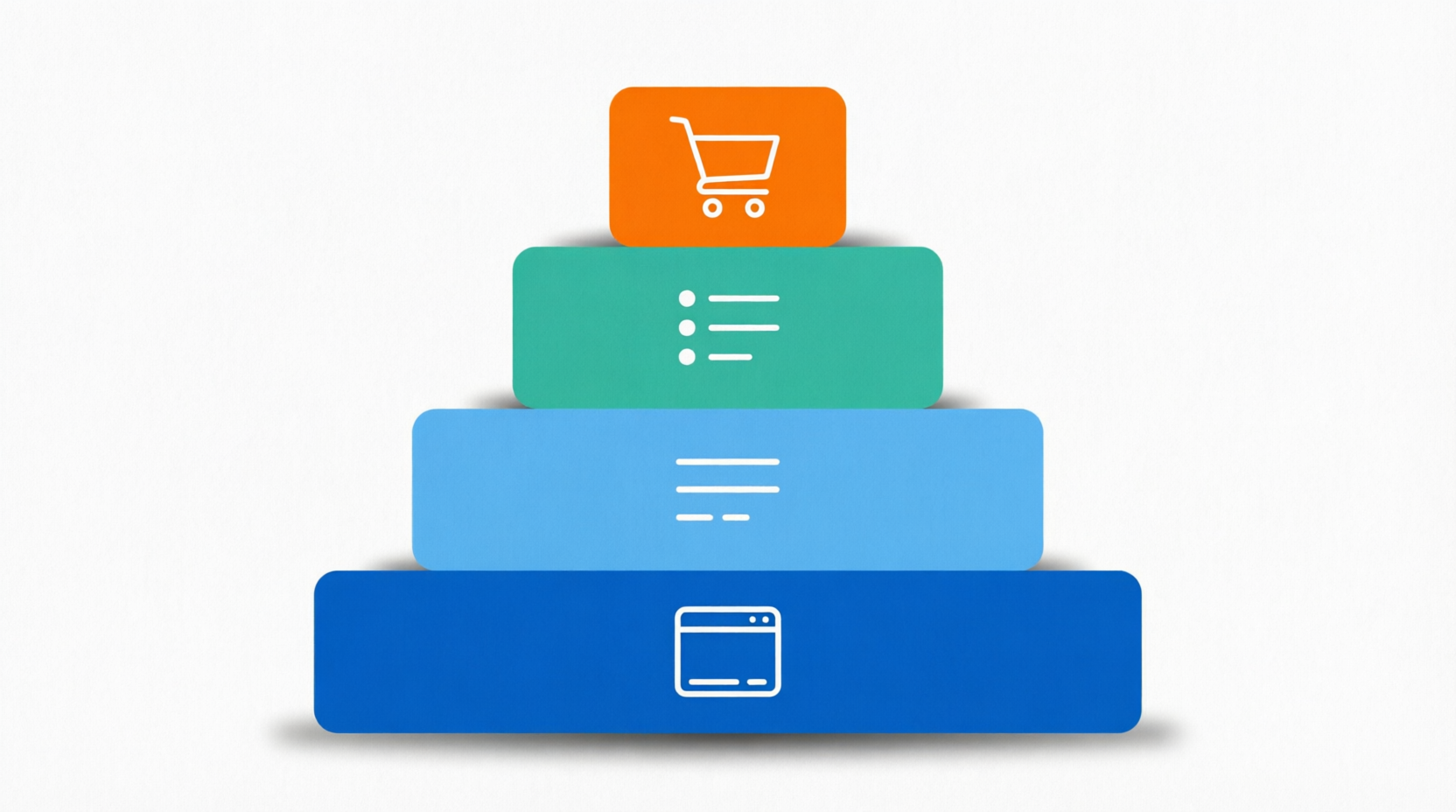
Every element in the description has a specific role in the customer journey from interest to purchase
A successful description isn't just random text. It's a precise architectural structure composed of integrated elements, each performing a specific function in pushing the customer toward a purchase decision. Let's dive into each element:
1. The Main Headline (Product Title)
The headline is the first thing the customer sees—and it determines whether they'll continue reading or not. Golden headline rules:
- Less than 60 characters: To ensure it's not cut off in search results.
- Keyword at the beginning: Search engines and customers read from left to right.
- Main benefit: Don't write "headphones" but "wireless headphones with noise cancellation for pure listening."
- Differentiation: What makes this product different from 100 other products?
2. The Opening Paragraph (The Hook)
The first 50 words are the most important. Either you grab the reader or lose them forever. A successful opening paragraph follows the "problem-solution-result" pattern:
"Tired of headphones that strain your ears after just one hour? Our new wireless headphones with their comfortable design for long hours and pure sound as if you're in a recording studio redefine your listening experience."
3. The Benefits Section
This is the heart of the description. Every feature must be translated into a benefit the customer can feel:
- Feature: 40-hour battery
- Benefit: "Listen for a full week without needing to charge—your long trips just got better"
Use the Smart Description Generator to automatically create feature-benefit tables.
4. The Micro-Story
The human brain remembers stories 22 times better than dry facts. Create a scene where the customer imagines themselves:
"You wake up in the morning, make your coffee, and put on the headphones. Your favorite music fills the space. No street noise. No disturbance. Just you and your music in your own private world."
5. Technical Specifications
After you've ignited emotion, present the facts that justify the rational decision:
- Dimensions and weight
- Materials and components
- Compatibility and requirements
- Quality certificates and warranty
6. Call to Action
Don't leave the customer wondering "What do I do now?" Make the next step clear and motivating:
- Weak: "Buy now"
- Strong: "Get an unmatched listening experience—add to cart and enjoy 20% off today only"
The biggest mistake is describing the product from your perspective (the seller) instead of the customer's perspective. Don't write "We made this product with the best materials" but write "You'll feel the difference from the first touch—our carefully selected materials ensure unparalleled comfort."
Optimizing Product Descriptions for Search Engines (SEO) with AI
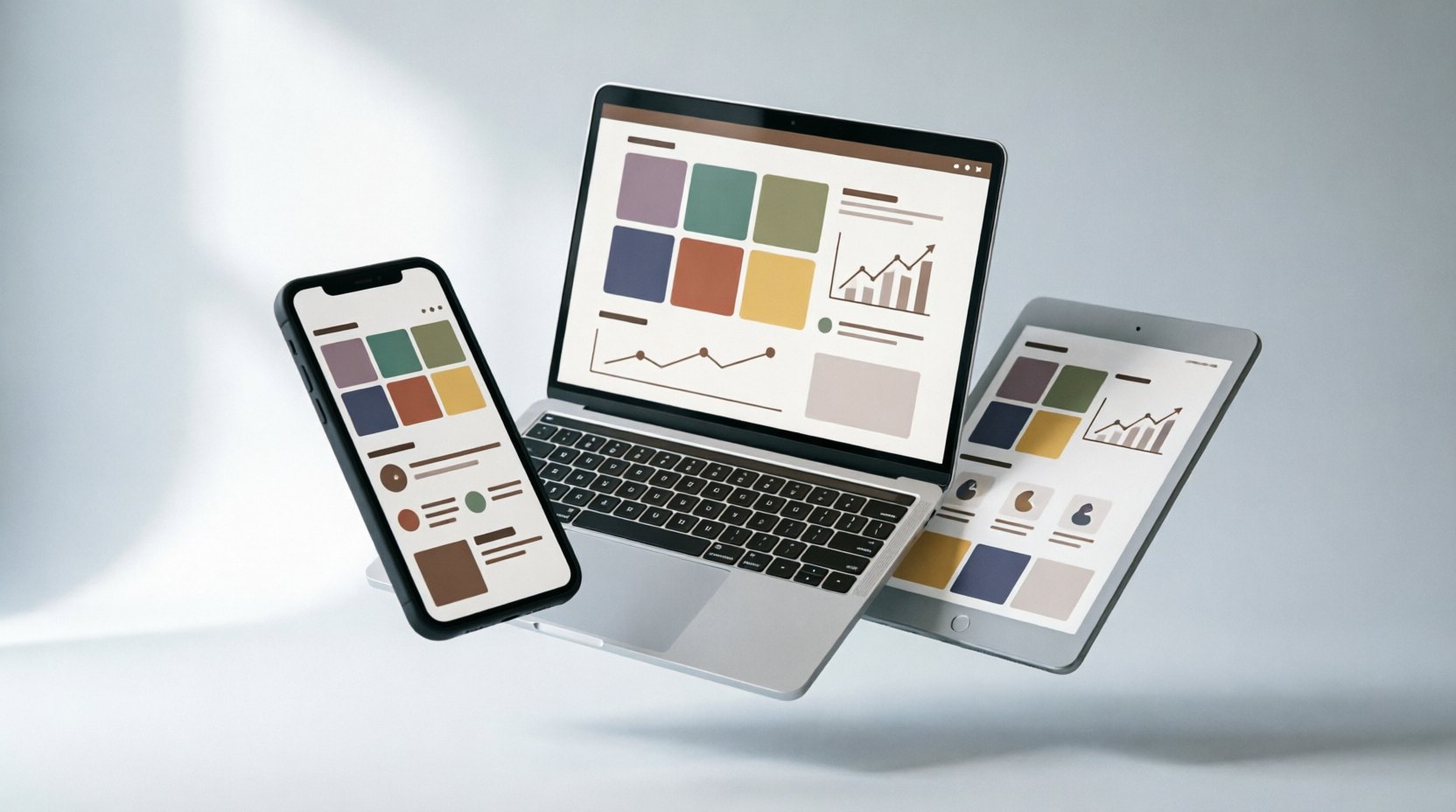
Product SEO starts with the description and extends to structured data and links
A great product description is useless if customers can't find it. Search engine optimization (SEO) for product descriptions is the difference between a store visited by thousands of visitors daily and one lost on page 10 of search results.
Keyword Research for Products
Before writing a single description, you need to know what your customers are searching for. The AI SEO Generator helps you with:
- Commercial keywords: "buy wireless headphones," "best headphones for sports"
- Informational keywords: "how to choose suitable headphones," "difference between ANC and ENC headphones"
- Long-tail keywords: "wireless headphones with noise cancellation for sports under 500 riyals"
Structured Data (Schema Markup) for Products
Structured data helps Google understand your product and display it attractively in search results:
- Product Schema: Displays price, availability, and ratings directly in search results.
- Review Schema: Shows stars and ratings under the product link.
- Offer Schema: Highlights offers and discounts.
- FAQ Schema: Expands your link in search results with questions and answers.
Use AI Agents to automatically create and verify Schema Markup.
Image Optimization
- File name:
wireless-headphones-noise-cancellation-sports.webpnotIMG_1234.jpg - Alt Text: "Black wireless headphones with effective noise cancellation for sports and mobility"
- Size: Compress images without losing quality (use WebP)
Internal Links
Link your product description to related content on your site:
- Link to the Comprehensive SEO Guide if you mentioned search engine optimization.
- Link to the Infographic Guide if the product requires visual clarification.
- Link to the Logo Generator if the product relates to branding.
To optimize your descriptions in an advanced way, use the Advanced Optimizer and Advanced Translator for multiple markets.
Use the AI SEO Generator to analyze your competitors and discover the keywords they rank for. The tool shows you the gaps you can exploit to rank at the top.
Writing Custom Descriptions for Each Platform: Amazon, Shopify, Noon, Jumla
A common mistake: copying the same description and pasting it on all platforms. Each platform has its audience, algorithms, and rules. A successful description is a customized one.
Amazon: King of Keywords
- Title: 200 characters maximum—use them all. Include main keywords + brand + model + color + size.
- Bullet Points: Maximum 5 points. Each point starts with a keyword + benefit.
- A+ Description: Use simplified HTML, images, and comparisons.
- Backend Keywords: 250 bytes—don't repeat what's in the title.
Shopify: Freedom of Creativity
- No limits: Write a long, detailed description (500+ words).
- Full HTML: Use headings, lists, tables, and images.
- SEO: Page Title and Meta Description are separate from the product description.
- Apps: Add review, Q&A, and recommendation apps.
Noon: Balancing SEO and Persuasion
- Title: 150 characters—focus on Arabic and English keywords.
- Description: 2000 characters—a mix of benefits and specifications.
- Images: Maximum 6 images—make the first one stunning.
- Language: Many users search in English even on Arabic platforms.
Jumla: Wholesale and Quantities
- Price Focus: Clearly mention the wholesale discount.
- Minimum Order: Clearly state the minimum order requirement.
- Shipping: Mention shipping and delivery details.
- B2B Focus: Focus on profitability for the buyer, not personal use.
Your Own Store (Shopify/WooCommerce/Custom)
- Complete Freedom: Write what you want, however you want.
- Tight SEO: Full control over Title Tags, Meta Descriptions, URLs, and Schema.
- Customization: Add videos, calculators, interactive tools.
- Analytics: Track every click and every conversion.
Use the Product Description Generator which allows you to choose the target platform (Amazon, Shopify, Noon...) and automatically converts the description to comply with that platform's rules.
Product Descriptions by Category: Electronics, Fashion, Food, Beauty
Each product category has its own language, concerns, and desires. A description that sells electronic headphones won't sell a fashion shirt. Let's explore the differences:
Electronics: Precision and Reliability
The electronics audience wants numbers, specifications, and guarantees. But they also want to know how this technical piece will improve their life:
- Focus on: Technical specifications, competitor comparisons, quality certificates, warranty.
- Avoid: Excessive emotional description, unproven claims.
- Keywords: "specifications," "review," "comparison," "best."
Fashion: Senses and Identity
The fashion audience doesn't buy fabric—they buy identity, feeling, and belonging:
- Focus on: Texture, appearance, feeling when wearing, occasions, lifestyle.
- Avoid: Dry material descriptions, focusing only on price.
- Keywords: "elegant," "comfortable," "luxury," "suitable for."
To create integrated marketing content for fashion products, use the Social Media Content Generator and Social Media Design Generator to create integrated advertising campaigns.
Food: Appetite and Trust
The food audience reads the description and feels hungry—or feels nothing:
- Focus on: Fresh ingredients, preparation method, aroma, taste, the story behind the product.
- Avoid: Generic descriptions, hiding ingredients, unappetizing images.
- Keywords: "natural," "organic," "fresh," "recipe," "healthy."
Beauty and Personal Care: Results and Trust
The beauty audience looks for results and safety:
- Focus on: Active ingredients, expected results, scientific mechanism, reviews.
- Avoid: Unproven medical claims, exaggerated promises.
- Keywords: "results," "ingredients," "safe," "tested," "effective."
To create professional prompts for designing beauty product logos, use the Logo Prompt Generator to create an integrated visual identity.
Sports and Fitness: Performance and Motivation
- Focus on: Performance, durability, comfort during movement, athlete results.
- Avoid: Theoretical descriptions, focusing only on appearance.
Furniture and Decor: Space and Feelings
- Focus on: How the product changes the space, comfort, durability, ease of assembly.
- Avoid: Dry dimensions only, not mentioning materials.
Use the Smart Description Generator with precise category specification. The tool automatically adjusts style, tone, and keywords according to the target category.
Common Mistakes That Kill Your Sales and How to Avoid Them with AI
Even the best products fail due to poor descriptions. Here are the most common mistakes and how AI fixes them:
Mistake #1: Copy-Pasting Supplier Descriptions
The Problem: Using the same description used by hundreds of other sellers. Google penalizes duplicate content, and customers don't trust generic texts.
The AI Solution: Use the Description Generator to rewrite the description with a unique touch. Input the supplier's description and ask AI to rewrite it in your brand's style.
Mistake #2: Focusing on Features Without Benefits
The Problem: "Headphones with Bluetooth 5.3 technology"—and so what? The customer doesn't care about the number, they care about what it means to them.
The AI Solution: Use a prompt that explicitly converts every feature into a benefit. The Smart Optimizer automatically adds "and this means for you..." after each feature.
Mistake #3: Completely Forgetting SEO
The Problem: A beautiful description that no one finds because it doesn't contain keywords.
The AI Solution: The SEO Generator analyzes common keywords in your category and naturally integrates them into the description.
Use the Article Prompt Generator to create supporting content about your products that boosts your search engine ranking.
Mistake #4: Generalization and Vagueness
The Problem: "High-quality product"—what does "high quality" mean? To the customer, this means nothing.
The AI Solution: Ask AI to replace every generic adjective with a tangible detail: "high quality" ← "made from scratch-resistant aviation aluminum that withstands a 2-meter drop."
Mistake #5: No Call to Action
The Problem: The description ends abruptly. The customer reads and closes the page without knowing what to do.
The AI Solution: Use the Ad Generator to create motivating, product-specific calls to action.
For more effective marketing and advertising prompts, check out the Marketing and Advertising Prompts Guide.
Mistake #6: Ignoring Reviews and Questions
The Problem: Customers ask the same questions repeatedly because the description doesn't answer them.
The AI Solution: Analyze competitor reviews and customer questions using AI Agents, then add their answers to the description.
The biggest mistake is claiming the product can do things it can't. AI sometimes "exaggerates." Human review is essential to verify the accuracy of every claim before publishing.
Best AI Tools for Writing Professional Product Descriptions
The market for AI product description writing tools is crowded. Here are the best options ranked by use case:
1. AI Product Description Generator (Best Specialized Tool)
Our specialized generator was designed specifically for Arabic and e-commerce products:
- Platform Customization: Amazon, Shopify, Noon, Jumla, and others.
- Arabic Language Support: Modern Standard Arabic and dialect descriptions according to the audience.
- Automatic SEO Optimization: Natural keyword integration.
- Bulk Generation: Create descriptions for hundreds of products at once.
- Completely Free: No registration or subscription.
2. Jasper AI (Best for Major Brands)
- Strengths: Training on brand "voice," multiple templates, SurferSEO integration.
- Weaknesses: Expensive, requires learning, limited Arabic support.
- Price: Starts at $49/month.
3. Copy.ai (Best for Beginners)
- Strengths: Simple interface, ready templates, free for limited use.
- Weaknesses: Medium quality, needs lots of editing.
- Price: Free up to 2000 words/month.
4. Writesonic (Best for SEO)
- Strengths: Strong SEO tool integration, keyword analysis.
- Weaknesses: Results sometimes generic, needs review.
5. Smart Prompt Generator (Best for Prompt Improvement)
Before using any tool, use the Smart Optimizer to craft the perfect prompt. The tool analyzes your prompt and suggests improvements that increase output quality.
6. AI SEO Generator (Best for Keyword Research)
The SEO Tool analyzes your competitors and provides a list of keywords that should be included in your product descriptions.
7. Smart Prompt Translator (For Multiple Markets)
If you sell in multiple markets, use the Smart Translator to convert your descriptions into different languages while maintaining tone and persuasion.
If you're looking for free alternatives, check out our article on Best Free AI Prompt Generators and ChatGPT Prompt Generator Secrets.
Start with the Free Description Generator to create drafts, then use the Optimizer to improve them, then the SEO Generator to verify keywords. This sequence gives you the best results at the lowest cost.
Ready-to-Use Product Description Templates You Can Copy and Edit Instantly
Template 1: Electronics Product (Wireless Headphones)
Title: [Brand] Wireless Headphones with Active Noise Cancellation — Pure Sound for 40 Hours
Description:
Tired of headphones that strain your ears and cut out every few hours?
[Brand]'s new headphones redefine your listening experience. With advanced Active Noise Cancellation (ANC) technology, they eliminate even the toughest ambient sounds—air conditioner noise, street clamor, even children screaming on flights.
🎵 Sound Like You're in a Private Concert Hall 40mm dynamic speakers produce deep bass and crisp, clear highs. Whether you're listening to your favorite music or taking an important work call, the sound is as clear as if the person is right in front of you.
🔋 40 Hours of Continuous Listening A single charge lasts a full week of daily use. And when the battery runs out? 10 minutes of fast charging gives you 5 extra hours.
☁️ Comfort You'll Forget You're Wearing Breathable synthetic leather ear cushions adapt to the shape of your ears. Wear them for 8 continuous hours without any pain or pressure.
📶 Uninterrupted Connection Bluetooth 5.3 ensures a stable connection up to 15 meters away. Leave your phone in the room and listen freely around your home.
📦 What's in the Box:
- Wireless headphones
- USB-C charging cable
- Protective case
- Quick start guide
- Two-year warranty
🛡️ 30-Day Replacement Guarantee Not satisfied? Return them within 30 days for a full refund. No questions asked.
⭐ Purchased by Over 12,000 Customers — 4.8/5 Rating
Technical Specifications:
- Connection type: Bluetooth 5.3
- Battery life: 40 hours (with ANC), 60 hours (without ANC)
- Charging time: 2 hours (full charge), 10 minutes fast charge = 5 hours of use
- Frequency range: 20Hz - 20kHz
- Weight: 250 grams
🎯 Add to Cart Now and Get 20% Off + Free Shipping!
Template 2: Fashion Product (Evening Dress)
Title: [Brand] Evening Dress — Parisian Elegance with an Arab Touch
Description:
Are you looking for a dress that makes you feel like the star of the evening?
[Brand]'s dress isn't just a piece of fabric—it's an experience. Made from 100% natural silk that flows with your movement as if it's part of you. The dark blue color suits all skin tones, and the tailored cut highlights your curves with elegance.
✨ Three Ways to Wear It:
- Formal Evening: With high heels and gold jewelry—you're the queen of the night.
- Wedding: With a light silk shawl—simple elegance that steals the spotlight.
- Romantic Dinner: With flat sandals—comfortable elegance that maintains your allure.
🪡 Details That Make the Difference:
- Hand stitching on the shoulders and hem
- Hidden zipper for comfort and elegance
- Soft cotton lining that doesn't cause allergies
- Machine washable (silk program)
💭 An Indescribable Feeling: "I wore it to my graduation party. I didn't feel like I was wearing a dress—I felt like I was wearing confidence. Everyone who saw me asked where I got it." — Sarah, a happy customer
📏 Size Guide:
- XS: Bust 82cm, Waist 64cm
- S: Bust 86cm, Waist 68cm
- M: Bust 90cm, Waist 72cm
- L: Bust 96cm, Waist 78cm
- XL: Bust 102cm, Waist 84cm
🚚 Free Shipping and 14-Day Returns
🛍️ Choose Your Size Now—Limited Quantities Available!
Template 3: Food Product (Organic Coffee)
Title: Hand-Roasted Ethiopian Organic Coffee — A Journey from Farm to Your Cup
Description:
Have you ever tried coffee that tells you a story before you drink it?
Our organic coffee comes from Yirga Cheffe farms in Ethiopia—the very birthplace of coffee. Every coffee bean was hand-picked from trees over 50 years old, then slowly roasted over a wood fire to bring out the flavors of fruit and dark chocolate.
☕ A Flavor Worth Waiting For: The first sip surprises you with fresh cranberry notes, followed by a touch of dark chocolate, and ending with a warm caramel taste that lingers all day. No excessive bitterness. No annoying acidity. Just perfect balance.
🌱 100% Organic and Clean:
- No pesticides or chemical fertilizers
- Certified by USDA Organic and EU Organic
- Shade-grown to protect the environment
- Direct support for local farmers—we pay fair wages
🎁 How to Brew the Perfect Cup:
- Grind the fresh beans (medium-fine for filter brewing)
- Use hot water (93-96°C / 195-205°F)
- Use a 1:16 ratio (15 grams of coffee to 250 ml of water)
- Pour the water slowly in a circular motion
- Enjoy an unforgettable flavor journey
📦 Available Options:
- 250g — 85 SAR
- 500g — 150 SAR (save 20 SAR)
- 1kg — 280 SAR (save 60 SAR)
🚚 Free Delivery on Orders Over 200 SAR
☕ Order Now and Enjoy Your Coffee Tomorrow Morning!
Template 4: Beauty Product (Vitamin C Serum)
Title: 20% Vitamin C Serum — Natural Glow in 4 Weeks
Description:
Are you tired of products that promise results but fail to deliver?
Our 20% Vitamin C Serum isn't just another cosmetic product—it's a scientifically proven treatment. Our unique formula combines pure Vitamin C (L-Ascorbic Acid), hyaluronic acid, and Vitamin E to deliver three benefits in one product.
✨ Proven Results:
- Week 1: Smoother, more hydrated skin
- Week 2: 30% reduction in the appearance of dark spots
- Week 3: A natural glow that others will notice
- Week 4: Reduced fine lines, younger-looking skin
🔬 Why It Works: 20% Vitamin C is the gold standard in skincare. It stimulates natural collagen production, fights free radicals that cause aging, and safely lightens dark spots. Our carefully balanced formula ensures up to 98% absorption—higher than any other product on the market.
🌿 Clean and Safe:
- No parabens, sulfates, or synthetic fragrances
- Dermatologist-tested
- Suitable for all skin types—even sensitive skin
- Dark glass bottle protects the vitamin from light
💧 How to Use:
- Cleanse your skin thoroughly
- Apply 3-4 drops to your face and neck
- Gently massage until fully absorbed
- Follow with a moisturizer containing SPF 30 in the morning
- Use in the evening for best results
⭐ Over 15,000 Happy Customers — 4.7/5 Rating
🎁 Limited Offer: Buy One, Get the Second at Half Price!
Copy any of these templates and replace the values between brackets [ ] with your product details. Use the Smart Description Generator to create custom templates for your products with precision.
For more ready templates, check out the Ready-to-Use AI Prompts Guide which contains more than 100 tested templates.
A/B Testing: How to Determine the Best Description for Your Product?
Writing a great description isn't enough. You need to know which description converts better. A/B testing is the science that distinguishes guessing from data-driven decisions.
What Is A/B Testing?
A/B testing means creating two (or more) versions of a product description, showing them to equal groups of visitors, and comparing results. The version that achieves a higher conversion rate is the winner.
What Should You Test?
- Title: Is emotional better or technical?
- Description Length: Does long (500+ words) convert more or short (150 words)?
- Tone: Does formal tone suit your audience or colloquial?
- Call to Action: Is "Buy Now" better or "Add to Cart and Get a Discount"?
- Including Reviews: Does adding customer ratings in the description improve conversion?
How to Conduct A/B Testing Using AI?
- Create two versions using the Description Generator: Ask AI to create two versions with different tones or styles.
- Use testing tools: Google Optimize (free), Optimizely, or VWO.
- Define the metric: Conversion rate, average order value, or add-to-cart rate.
- Wait for results: The test needs at least 100-200 conversions per version to get reliable results.
- Apply the winner: Replace the original description with the winning version.
- Keep testing: The market changes. Test continuously.
To professionally analyze your test results, use the AI Report Generator to create detailed reports on your product descriptions' performance.
Examples of Amazing A/B Results
- Changing a title from "wireless headphones" to "headphones that turn your trip into a private party" increased conversion by 23%.
- Adding a micro-story in the product description increased time on page by 45%.
- Using a specific call to action ("Get 20% off today") instead of a general one ("Buy now") increased conversion by 18%.
Don't test more than one element at a time. If you change the title, description, and image together, you won't know which element led to the improvement. Test one element, apply the winner, then move to the next.
The Future of AI-Powered Product Descriptions: What Awaits Us in 2027
AI product description writing technology is evolving at an astonishing pace. Here's what awaits us in 2027 and beyond:
1. Hyper-Personalization
In 2027, there won't be "one description" for each product. Instead, AI will create a customized description for each visitor based on:
- Browsing and previous purchase history
- Geographic location and preferred language
- Lifestyle and interests
- Device used (phone, computer, tablet)
- Visit time (morning/evening)
Example: A visitor searching for "headphones for sports" will see a description focusing on sweat resistance and stability during movement. Another visitor searching for "headphones for work" will see a description focusing on noise cancellation and call quality.
2. Interactive Descriptions
Instead of static text, product descriptions will be interactive experiences:
- Live Q&A: The customer asks "Is it suitable for sports?" and AI answers instantly.
- Dynamic Comparisons: The customer selects another product to compare, and AI creates an instant comparison table.
- Virtual Experience: Seeing the product in the customer's environment (e.g., a sofa in the living room) using augmented reality.
3. Voice-Optimized Descriptions
With the spread of voice search, product descriptions will be written to be read aloud by smart assistants:
- Short, clear sentences
- Direct answers to frequently asked questions
- Format suitable for listening, not reading
4. Video Description Generation
AI will create short videos (30-60 seconds) showing the product from all angles with automatically generated voiceover:
- 360-degree product video
- Voiceover highlighting main features
- Automatic translation into multiple languages
5. Continuous AI Optimization
In 2027, you won't need manual A/B testing. AI Agents will continuously monitor your product descriptions' performance and automatically modify them:
- Changing titles based on click-through rates
- Updating keywords based on search trends
- Adjusting tone based on customer feedback
- Adding or removing elements based on sales performance
To build custom AI agents for your store, use the AI Agent Generator.
Start building a database of optimized product descriptions today. The more data you have, the more capable AI will be of personalizing in the future. Use the Description Generator to create a diverse library of descriptions that can be improved later.
Frequently Asked Questions About Writing Product Descriptions with AI
You might also like
Discover the best free AI-powered image merging tools online. Learn how to merge two images into one seamlessly with AI — no Photoshop, no skills, no cost. Complete guide with 20+ tools, step-by-step tutorials, and expert tips for 2026.
A comprehensive guide to the best AI prompts for professional logo design, featuring ready-made templates, tool comparisons, and practical tips for every business type.
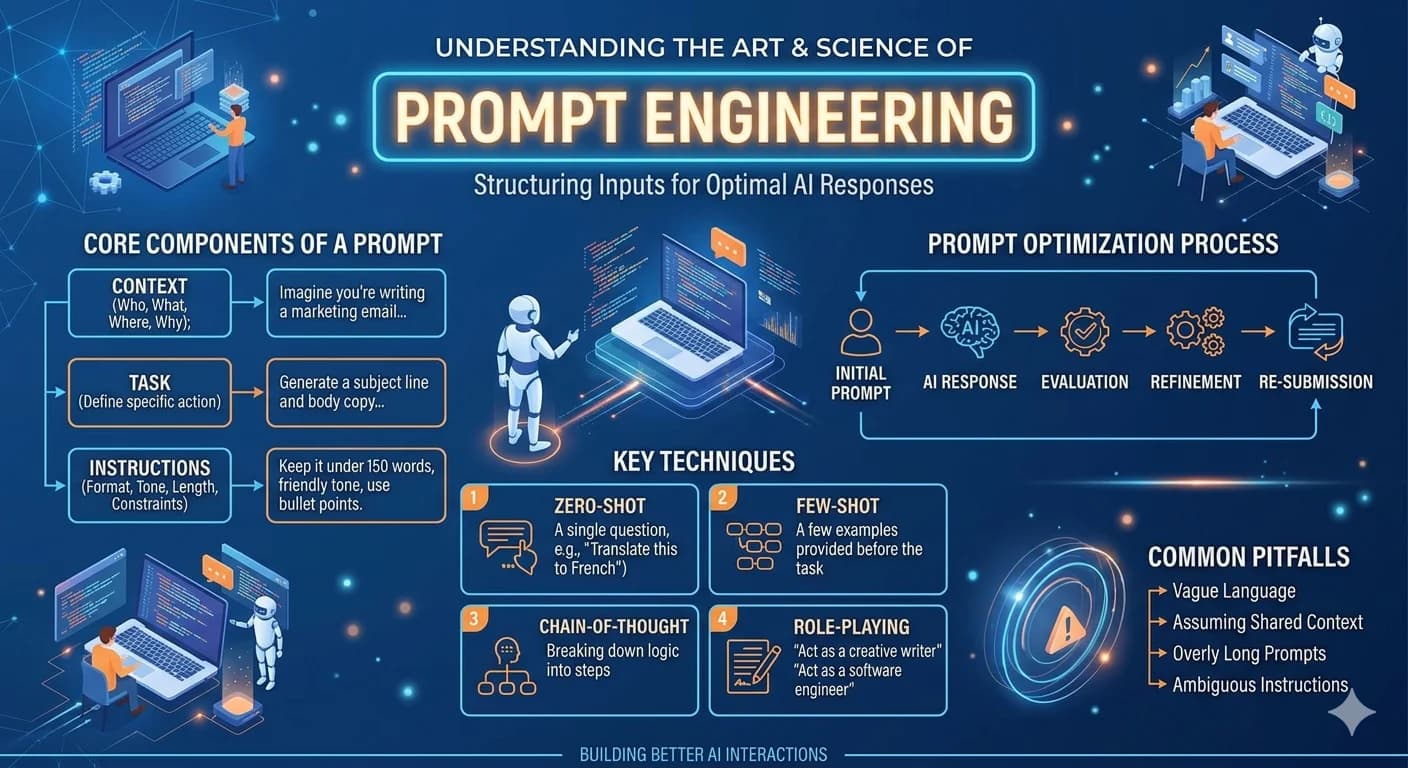
55+ free ready-to-use AI prompts for digital advertising — Facebook, Google, TikTok, Instagram, and LinkedIn with real results

Discover Labnana AI, a free artificial intelligence image generator that converts text into professional images in seconds. Learn how Text-to-Image works, best practices, and the complete step-by-step guide.